
Our vision
To be a hospital where every patient feels safe, confident in excellent treatment, and respected.
Medical, surgical and pediatric care, bringing a range of hospital services together in Kandahar.

Our hospital departments. Contact our team for schedules and service details.
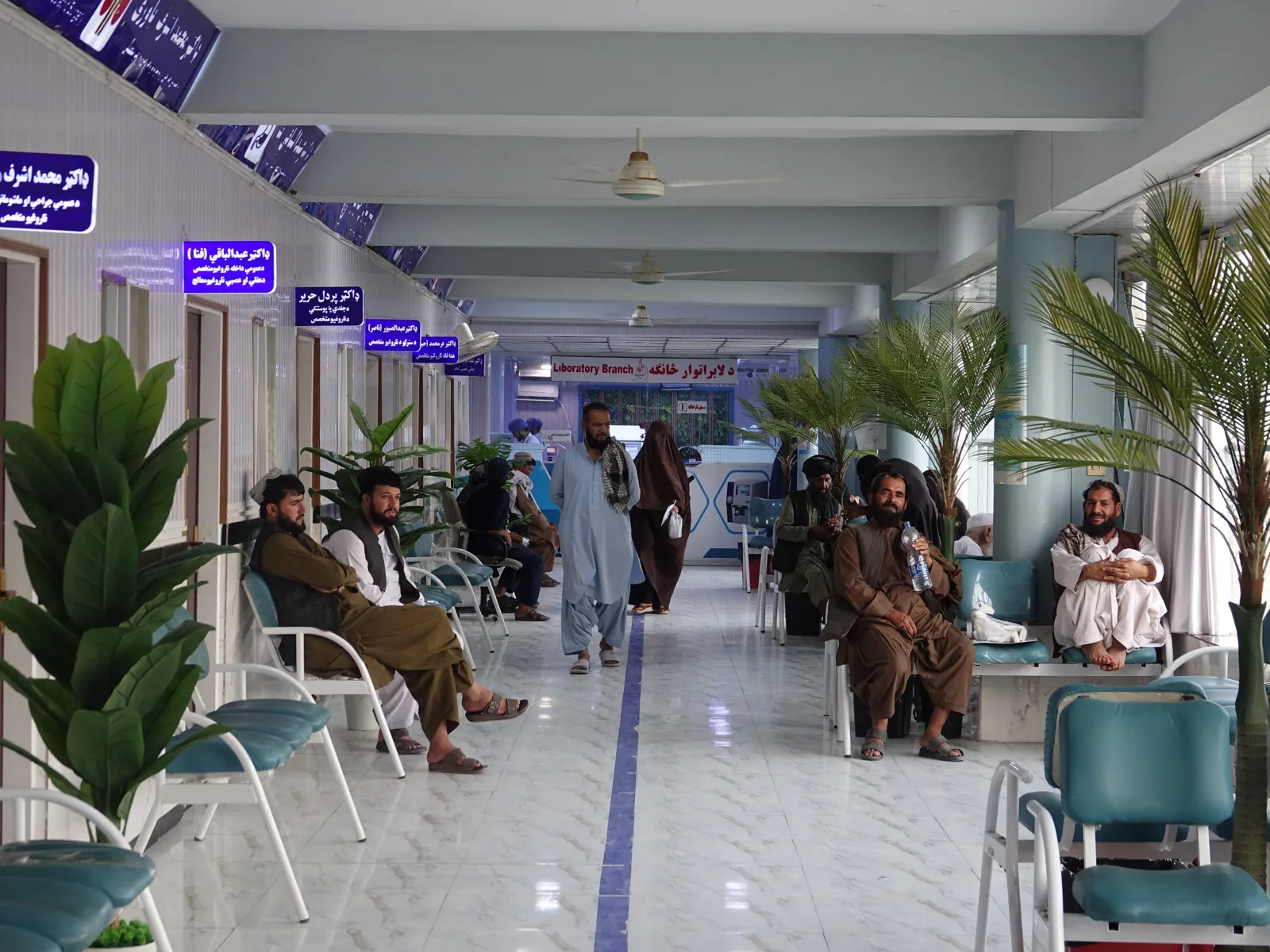
Medical care for adults and children.
View department detailsGeneral and pediatric medicine focuses on medical concerns affecting adults and children. A consultation helps organize the patient’s symptoms, previous illnesses and current medicines into a clear picture. Parents can explain changes in a child’s eating, activity and usual routine so the clinician understands the reason for the visit.
Before your visit, contact the hospital to confirm consultation times and the arrangements for this department. Bring relevant medical records and a list of current medicines and allergies. Ask the clinical team to explain the purpose of any proposed examination, the next steps and follow-up arrangements. Individual care depends on the clinician’s assessment; the information here introduces the department and does not replace a personal consultation.
Surgical departments for adults and children.
View department detailsGeneral and pediatric surgery provides a place to discuss conditions that may need surgical assessment in adults or children. The consultation is an opportunity to understand the reason for referral, discuss available approaches and ask about preparation and follow-up. A surgical consultation does not automatically mean an operation is needed.
Before your visit, contact the hospital to confirm consultation times and the arrangements for this department. Bring relevant medical records and a list of current medicines and allergies. Ask the clinical team to explain the purpose of any proposed examination, the next steps and follow-up arrangements. Individual care depends on the clinician’s assessment; the information here introduces the department and does not replace a personal consultation.
Care for bones, joints and injuries.
View department detailsOrthopedic surgery concerns the bones, joints and injuries that can affect movement and everyday activities. Patients can describe where discomfort occurs, when it began and how it affects walking or other tasks. Previous imaging and records of earlier injuries can help the clinician understand the history of the problem.
Before your visit, contact the hospital to confirm consultation times and the arrangements for this department. Bring relevant medical records and a list of current medicines and allergies. Ask the clinical team to explain the purpose of any proposed examination, the next steps and follow-up arrangements. Individual care depends on the clinician’s assessment; the information here introduces the department and does not replace a personal consultation.
Assessment and care for ENT conditions.
View department detailsThe ear, nose and throat department assesses concerns relating to these connected areas. Patients can explain changes in hearing, nasal symptoms, throat discomfort or difficulties that affect daily life. Describing when symptoms occur and bringing previous examination reports helps make the consultation more focused and easier to follow.
Before your visit, contact the hospital to confirm consultation times and the arrangements for this department. Bring relevant medical records and a list of current medicines and allergies. Ask the clinical team to explain the purpose of any proposed examination, the next steps and follow-up arrangements. Individual care depends on the clinician’s assessment; the information here introduces the department and does not replace a personal consultation.
Ophthalmology and eye surgery services.
View department detailsEye care and surgery focuses on vision and conditions affecting the eyes. Patients can discuss changes in sight, eye discomfort and earlier treatment with the clinical team. Bring existing glasses, prescriptions and previous eye examination reports when available so the specialist can review relevant information during the visit.
Before your visit, contact the hospital to confirm consultation times and the arrangements for this department. Bring relevant medical records and a list of current medicines and allergies. Ask the clinical team to explain the purpose of any proposed examination, the next steps and follow-up arrangements. Individual care depends on the clinician’s assessment; the information here introduces the department and does not replace a personal consultation.
Care for women, mothers and newborns.
View department detailsObstetrics and gynecology brings together care for women and maternity-related consultations. The visit provides an opportunity to discuss symptoms, previous care and questions about the reason for attendance in a respectful setting. Pregnancy records and earlier investigation reports can help the clinician understand the patient’s history and needs.
Before your visit, contact the hospital to confirm consultation times and the arrangements for this department. Bring relevant medical records and a list of current medicines and allergies. Ask the clinical team to explain the purpose of any proposed examination, the next steps and follow-up arrangements. Individual care depends on the clinician’s assessment; the information here introduces the department and does not replace a personal consultation.
Support for movement and recovery.
View department detailsPhysical rehabilitation supports people seeking help with movement and recovery. A consultation can explore which activities are difficult, how the difficulty affects daily life and what care has already been received. Information about previous injuries, operations and existing recommendations helps the team discuss an appropriate rehabilitation approach with the patient.
Before your visit, contact the hospital to confirm consultation times and the arrangements for this department. Bring relevant medical records and a list of current medicines and allergies. Ask the clinical team to explain the purpose of any proposed examination, the next steps and follow-up arrangements. Individual care depends on the clinician’s assessment; the information here introduces the department and does not replace a personal consultation.
Laboratory testing and cardiac ultrasound.
View department detailsLaboratory services and echocardiography support clinical assessment through tests and cardiac ultrasound examinations. Patients should bring the requesting clinician’s referral and any earlier related results. The purpose and preparation for an examination should be clarified with the team, and results should be reviewed with the clinician responsible for the patient’s care.
Before your visit, contact the hospital to confirm consultation times and the arrangements for this department. Bring relevant medical records and a list of current medicines and allergies. Ask the clinical team to explain the purpose of any proposed examination, the next steps and follow-up arrangements. Individual care depends on the clinician’s assessment; the information here introduces the department and does not replace a personal consultation.
Tuberculosis, nutrition, immunization and maternal-child health services.
View department detailsCommunity health includes the hospital’s listed services relating to tuberculosis, nutrition, immunization and maternal and child health. Families can ask which service is relevant to their needs and how to arrange a visit. Previous vaccination documents or related health records can help the team understand the care already received.
Before your visit, contact the hospital to confirm consultation times and the arrangements for this department. Bring relevant medical records and a list of current medicines and allergies. Ask the clinical team to explain the purpose of any proposed examination, the next steps and follow-up arrangements. Individual care depends on the clinician’s assessment; the information here introduces the department and does not replace a personal consultation.
Assessment and care for skin conditions.
View department detailsDermatology focuses on the assessment and care of skin conditions. During a consultation, patients can describe when a skin concern began, how it has changed and what products or treatments have already been used. Earlier reports and a list of medicines help the clinician understand the background to the concern.
Before your visit, contact the hospital to confirm consultation times and the arrangements for this department. Bring relevant medical records and a list of current medicines and allergies. Ask the clinical team to explain the purpose of any proposed examination, the next steps and follow-up arrangements. Individual care depends on the clinician’s assessment; the information here introduces the department and does not replace a personal consultation.
Surgical care for the jaw, mouth and teeth.
View department detailsJaw, oral and dental surgery concerns surgical assessment and care involving the jaw, mouth and teeth. Patients can explain discomfort, changes in function and previous dental treatment. Relevant examination records and earlier imaging can help the clinical team discuss the concern and explain the next steps in assessment.
Before your visit, contact the hospital to confirm consultation times and the arrangements for this department. Bring relevant medical records and a list of current medicines and allergies. Ask the clinical team to explain the purpose of any proposed examination, the next steps and follow-up arrangements. Individual care depends on the clinician’s assessment; the information here introduces the department and does not replace a personal consultation.
X-ray imaging services.
View department detailsThe X-ray department provides imaging that may be requested as part of a clinical assessment. Bring the referral so the imaging team knows which area needs examination. Tell the team about any relevant circumstances before the examination and ask about preparation, receiving the report and returning the result to the referring clinician.
Before your visit, contact the hospital to confirm consultation times and the arrangements for this department. Bring relevant medical records and a list of current medicines and allergies. Ask the clinical team to explain the purpose of any proposed examination, the next steps and follow-up arrangements. Individual care depends on the clinician’s assessment; the information here introduces the department and does not replace a personal consultation.
Ultrasound examination services.
View department detailsUltrasound services provide examinations requested for clinical assessment. The type of examination determines the preparation, so patients should check instructions with the department before attending. Bring the referral and previous related reports, and ask how results will be provided to the clinician who requested the examination.
Before your visit, contact the hospital to confirm consultation times and the arrangements for this department. Bring relevant medical records and a list of current medicines and allergies. Ask the clinical team to explain the purpose of any proposed examination, the next steps and follow-up arrangements. Individual care depends on the clinician’s assessment; the information here introduces the department and does not replace a personal consultation.
Hemodialysis services.
View department detailsHemodialysis is a listed hospital service for patients whose care involves this treatment. Patients and families can contact the department to discuss arrangements and the information needed from the treating clinician. Previous treatment records, current prescriptions and an existing care plan are useful when coordinating a visit with the team.
Before your visit, contact the hospital to confirm consultation times and the arrangements for this department. Bring relevant medical records and a list of current medicines and allergies. Ask the clinical team to explain the purpose of any proposed examination, the next steps and follow-up arrangements. Individual care depends on the clinician’s assessment; the information here introduces the department and does not replace a personal consultation.
Dedicated intensive care department.
View department detailsThe intensive care unit is the hospital’s dedicated department for intensive care. Families can speak with the clinical team about admission arrangements, updates and communication during care. Decisions about admission and the level of support belong to the treating team and depend on an individual assessment of the patient.
Before your visit, contact the hospital to confirm consultation times and the arrangements for this department. Bring relevant medical records and a list of current medicines and allergies. Ask the clinical team to explain the purpose of any proposed examination, the next steps and follow-up arrangements. Individual care depends on the clinician’s assessment; the information here introduces the department and does not replace a personal consultation.
Surgical care for conditions affecting the brain, spine and nerves.
View department detailsNeurosurgery provides surgical assessment of conditions involving the brain, spine and nerves. A consultation allows patients to explain symptoms, previous diagnoses and earlier treatment. Bring relevant referral letters, imaging and reports so the specialist can review the available information and discuss the assessment and possible next steps.
Before your visit, contact the hospital to confirm consultation times and the arrangements for this department. Bring relevant medical records and a list of current medicines and allergies. Ask the clinical team to explain the purpose of any proposed examination, the next steps and follow-up arrangements. Individual care depends on the clinician’s assessment; the information here introduces the department and does not replace a personal consultation.
Emergency assessment and care for women.
View department detailsThe women’s emergency department provides emergency assessment and care for women. On arrival, explain the main concern and when it started to the receiving team. Information about existing conditions, medicines, allergies and recent treatment helps staff understand the patient’s needs and organize the initial clinical assessment.
Before your visit, contact the hospital to confirm consultation times and the arrangements for this department. Bring relevant medical records and a list of current medicines and allergies. Ask the clinical team to explain the purpose of any proposed examination, the next steps and follow-up arrangements. Individual care depends on the clinician’s assessment; the information here introduces the department and does not replace a personal consultation.
Emergency assessment and care for men.
View department detailsThe men’s emergency department provides emergency assessment and care for men. Patients or companions should clearly describe the immediate concern and any change in the patient’s condition. Relevant medical history, medicines and earlier reports can help the receiving team understand the situation and determine the next stage of care.
Before your visit, contact the hospital to confirm consultation times and the arrangements for this department. Bring relevant medical records and a list of current medicines and allergies. Ask the clinical team to explain the purpose of any proposed examination, the next steps and follow-up arrangements. Individual care depends on the clinician’s assessment; the information here introduces the department and does not replace a personal consultation.
Endoscopy and care for stomach and digestive conditions.
View department detailsEndoscopy and gastroenterology concerns assessment of stomach and digestive conditions, alongside endoscopy services. A consultation helps clarify symptoms and whether an examination is appropriate. Patients should obtain preparation instructions directly from the clinical team and bring referrals, previous investigation reports and details of current medicines to the visit.
Before your visit, contact the hospital to confirm consultation times and the arrangements for this department. Bring relevant medical records and a list of current medicines and allergies. Ask the clinical team to explain the purpose of any proposed examination, the next steps and follow-up arrangements. Individual care depends on the clinician’s assessment; the information here introduces the department and does not replace a personal consultation.
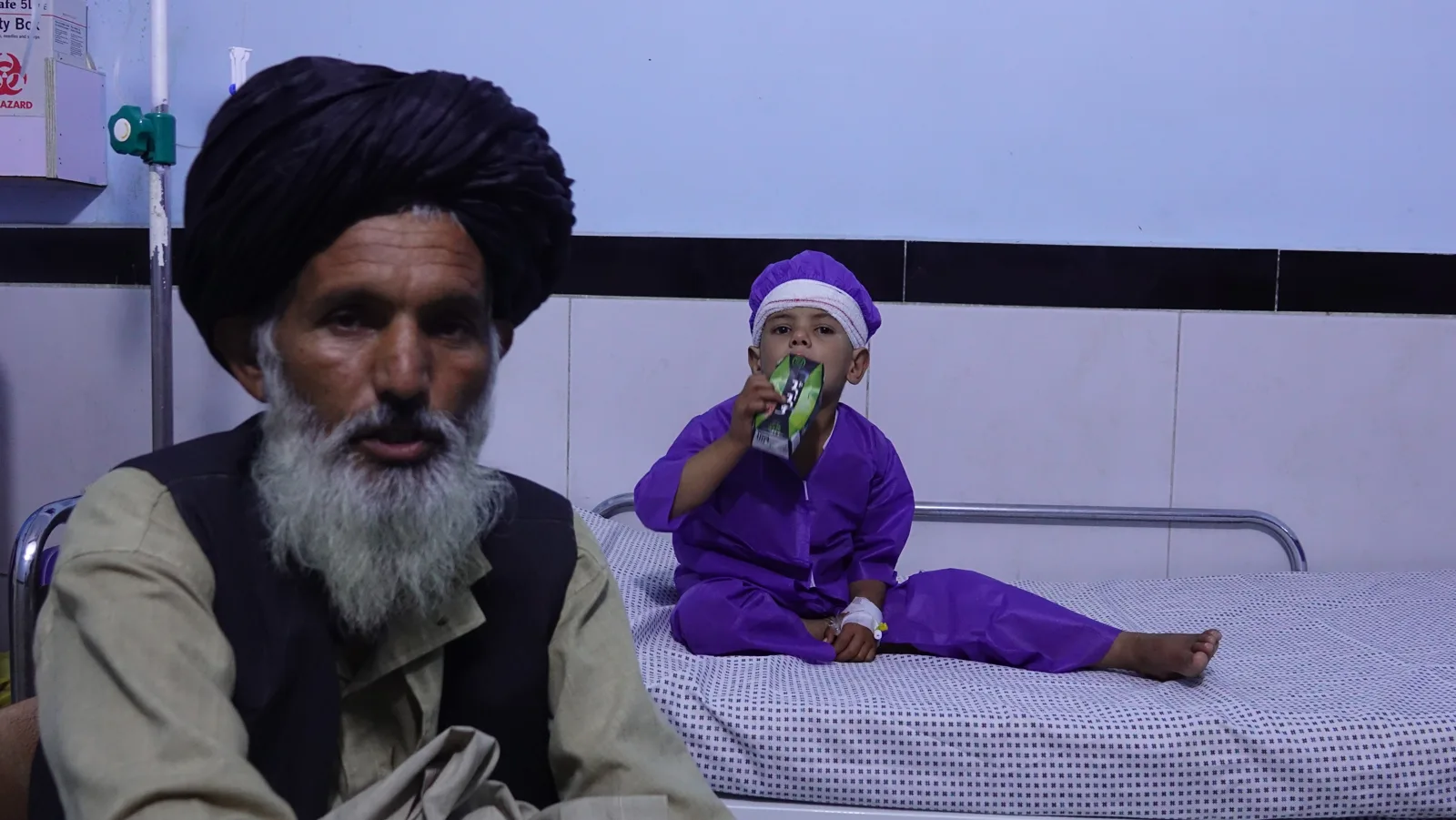
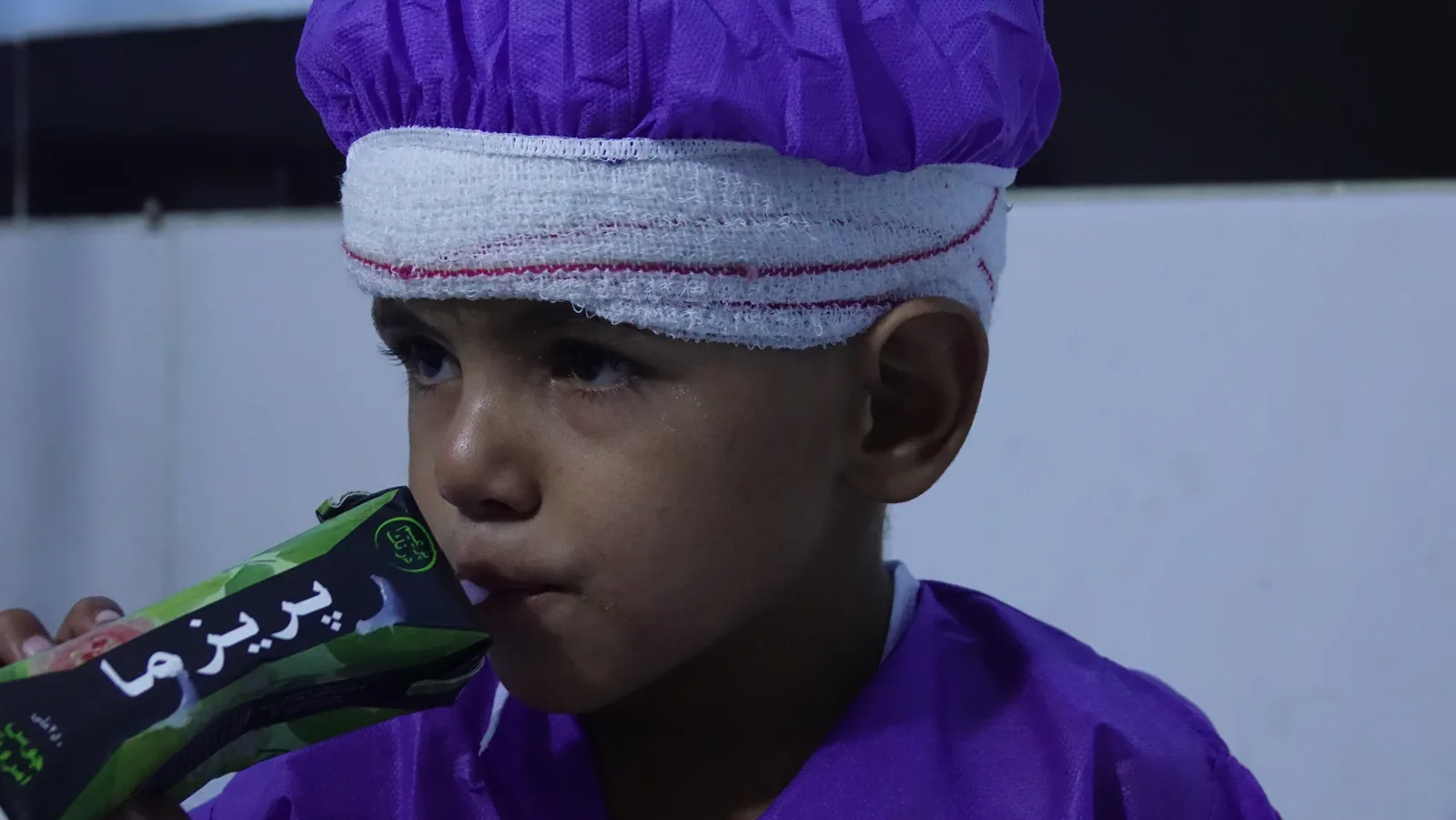
Our dedicated pediatric ward brings together newborn care, intensive care and general inpatient services for children.
Explore the ward and meet our doctors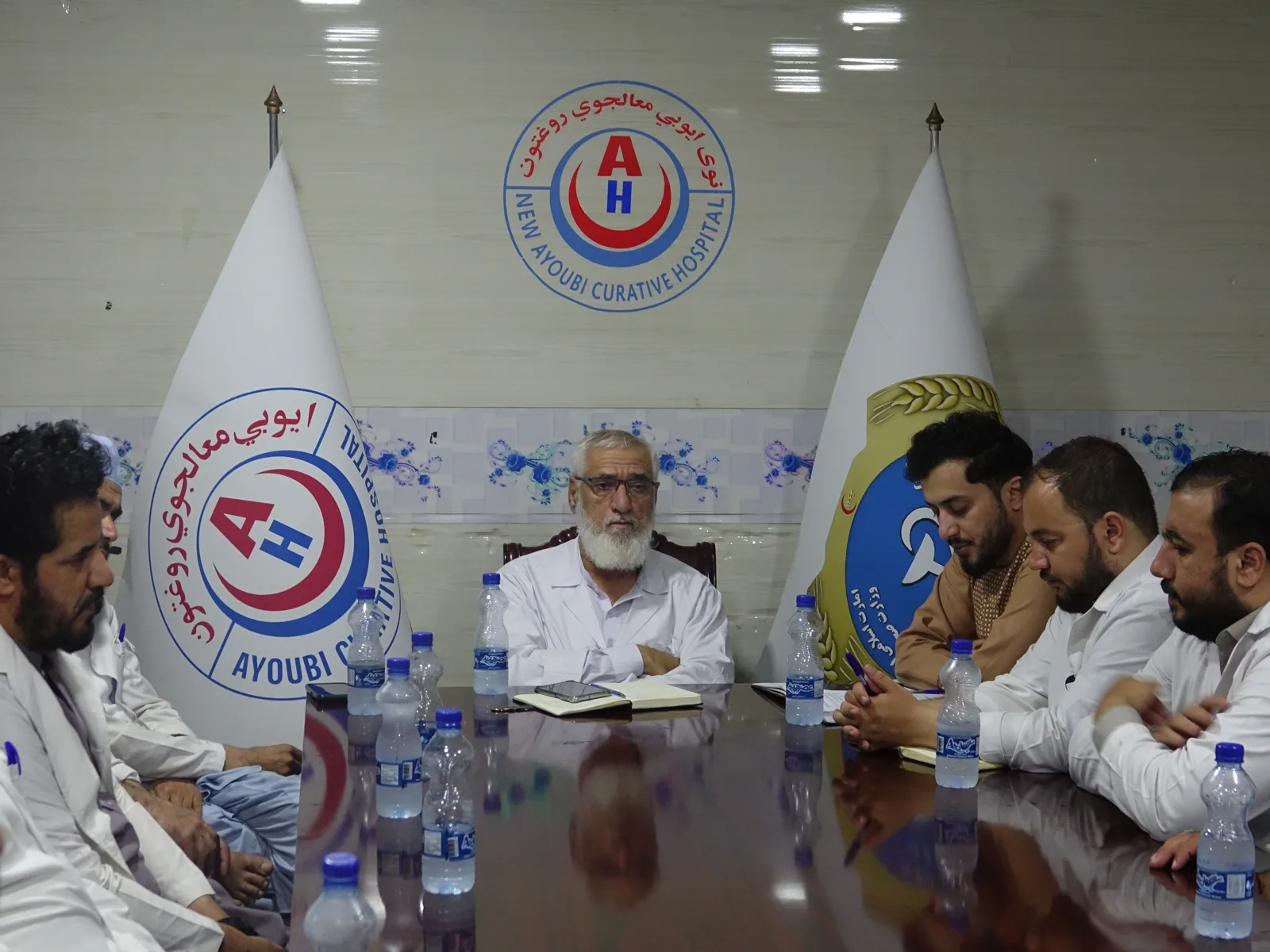
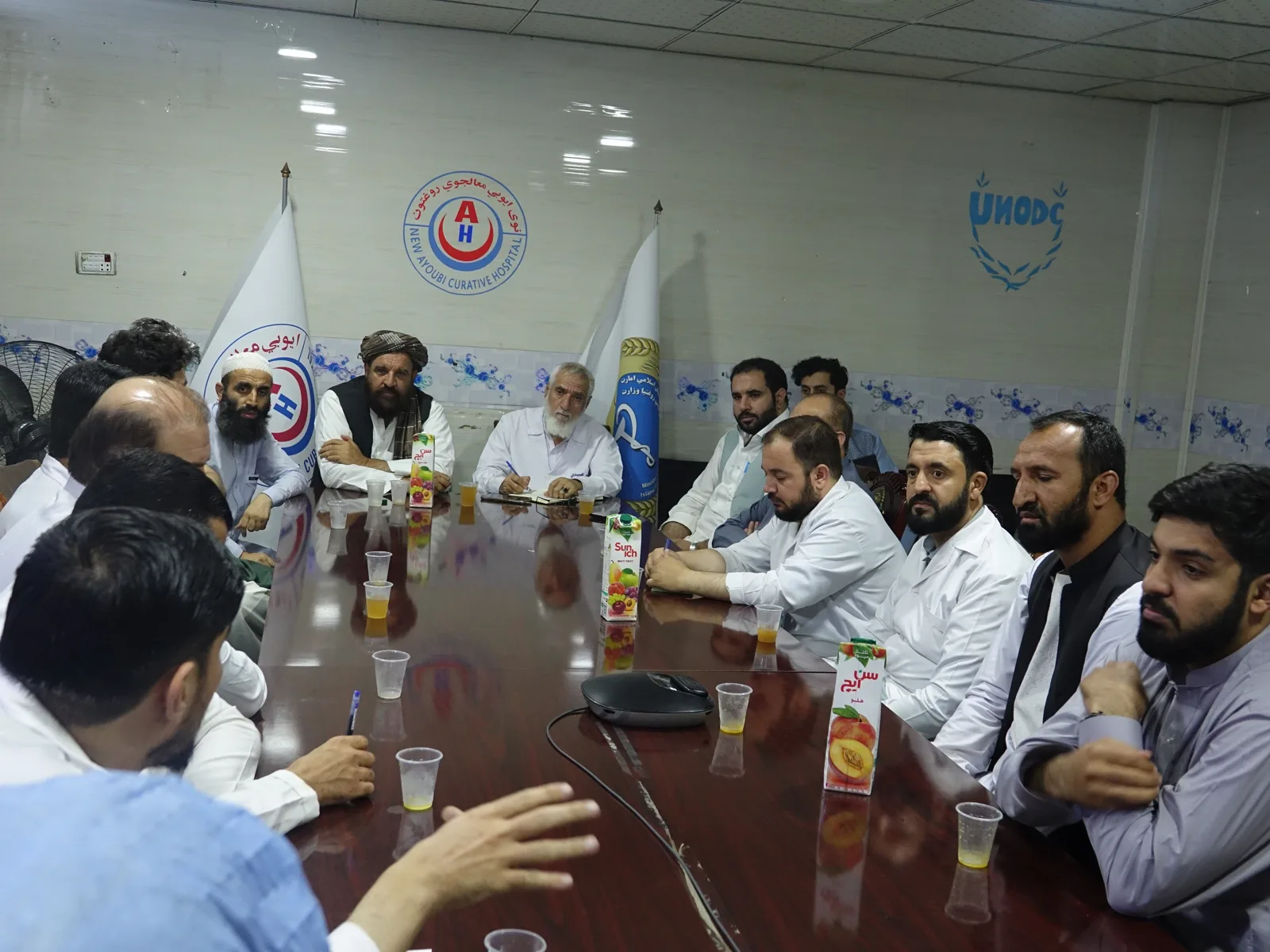
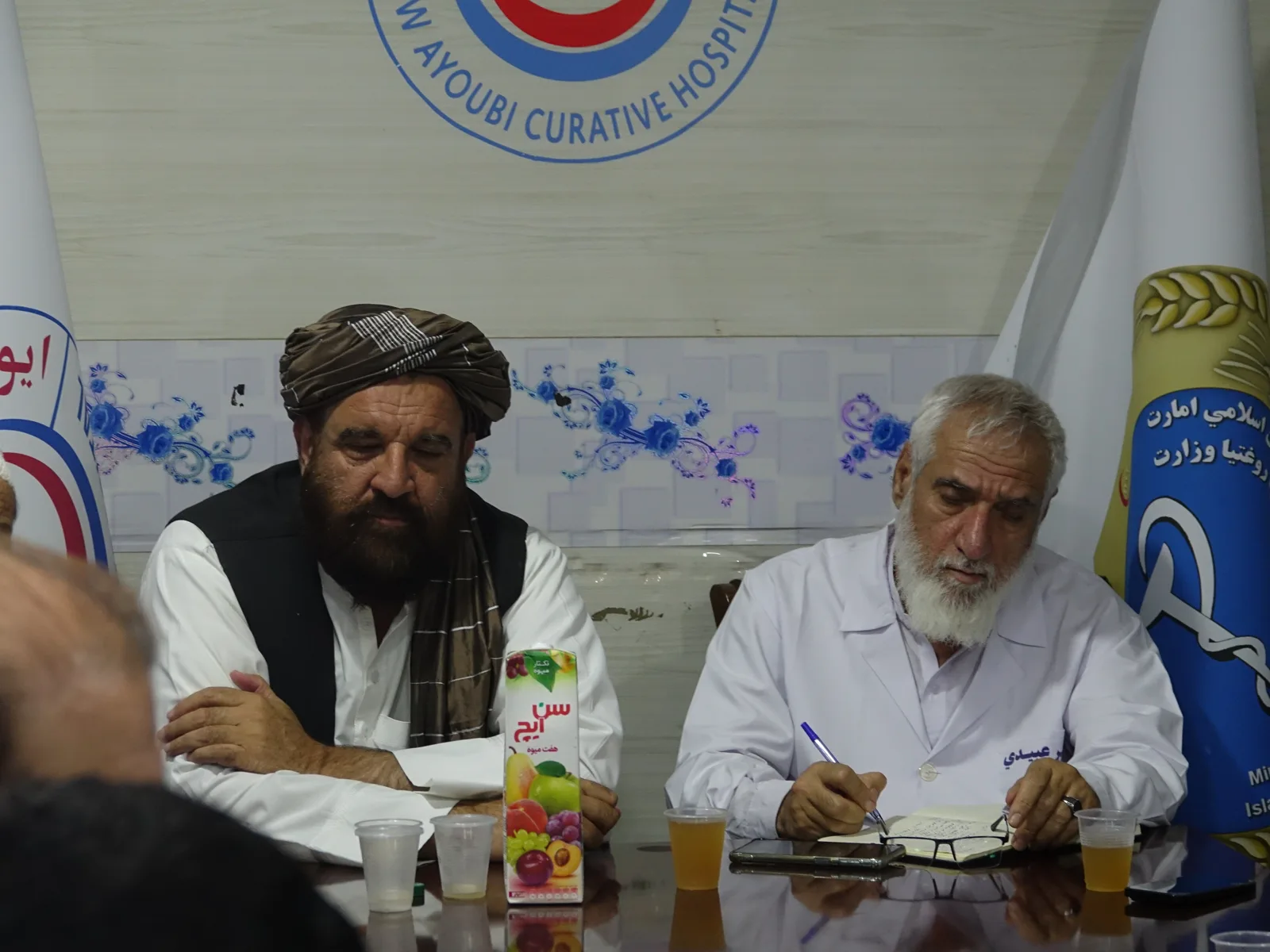
Ayoubi Curative Hospital serves families in Kandahar and the surrounding region. Our hospital profile describes a commitment to accessible care, with medical and surgical departments, diagnostic services and inpatient facilities.
Our commitment is to serve with care and respect. Please speak with the hospital team about available services and support for patients who need financial assistance.
To be a hospital where every patient feels safe, confident in excellent treatment, and respected.
To provide timely, high-quality healthcare grounded in respect for patients, safety, and professional standards.
Hospital leadership, clinical departments and nursing teams.
Names and reporting structure are shown in Pashto as supplied by the hospital.
Original organization chart (PDF) ↗A closer look at our hospital, team and care.
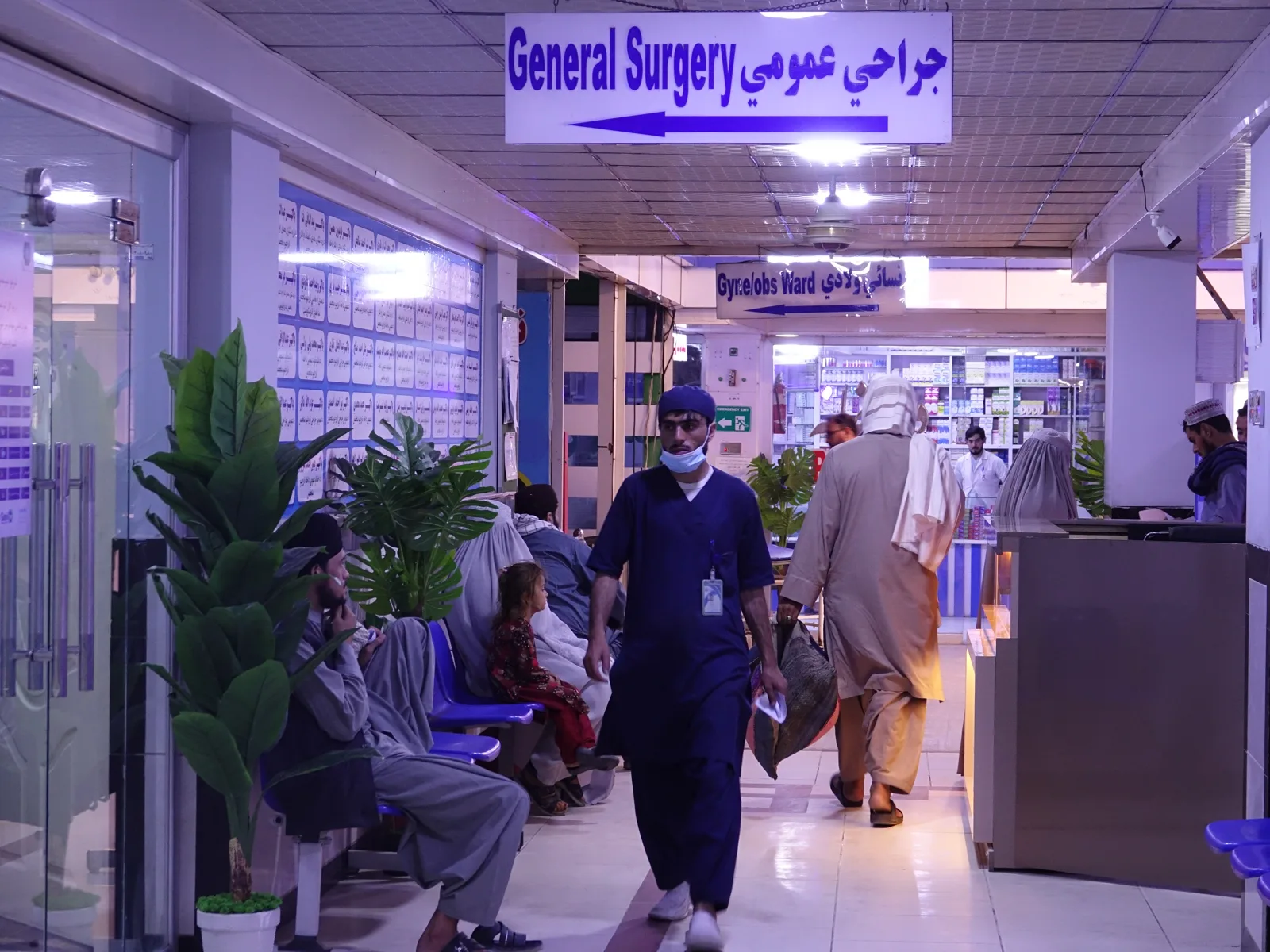
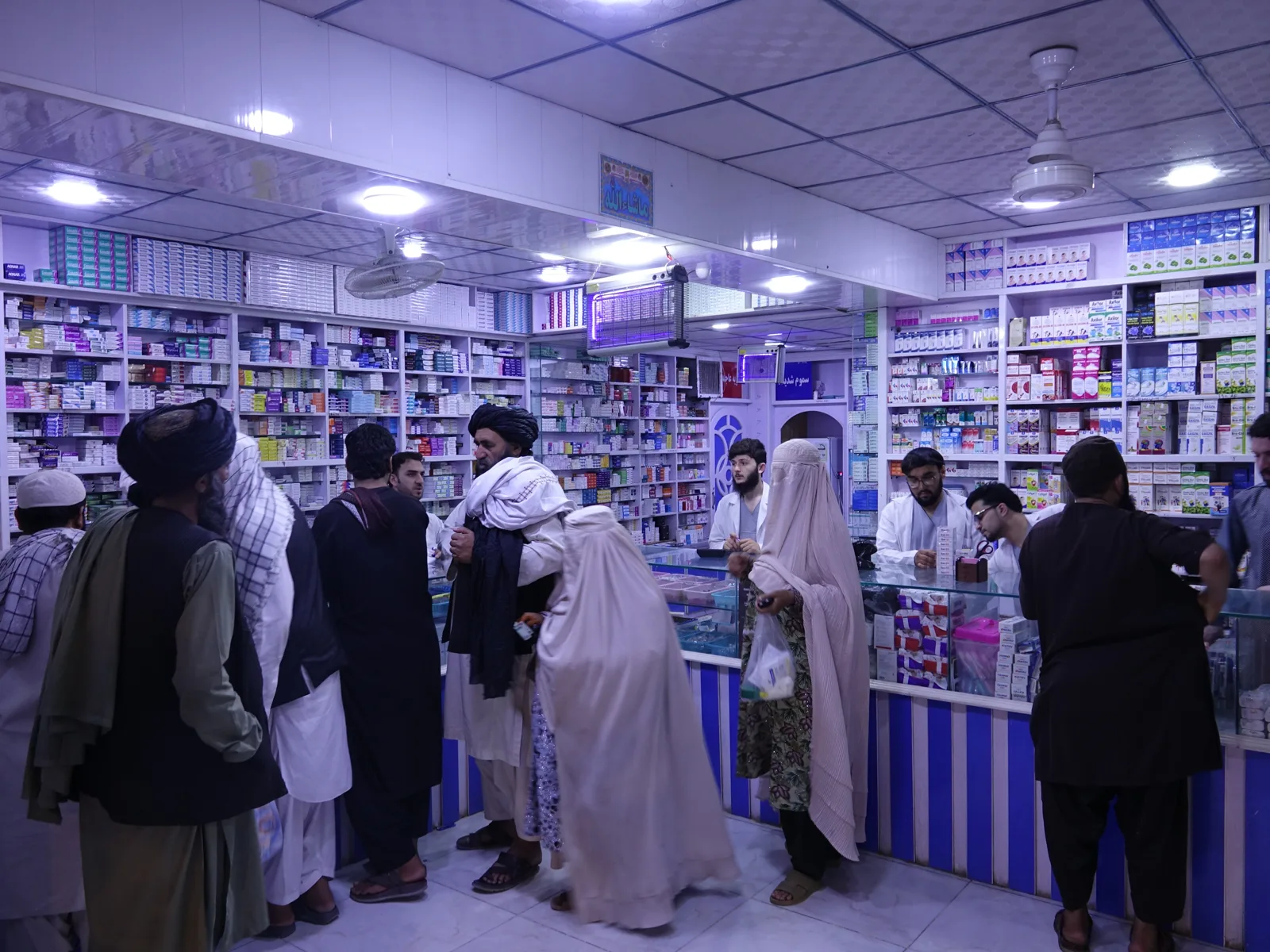

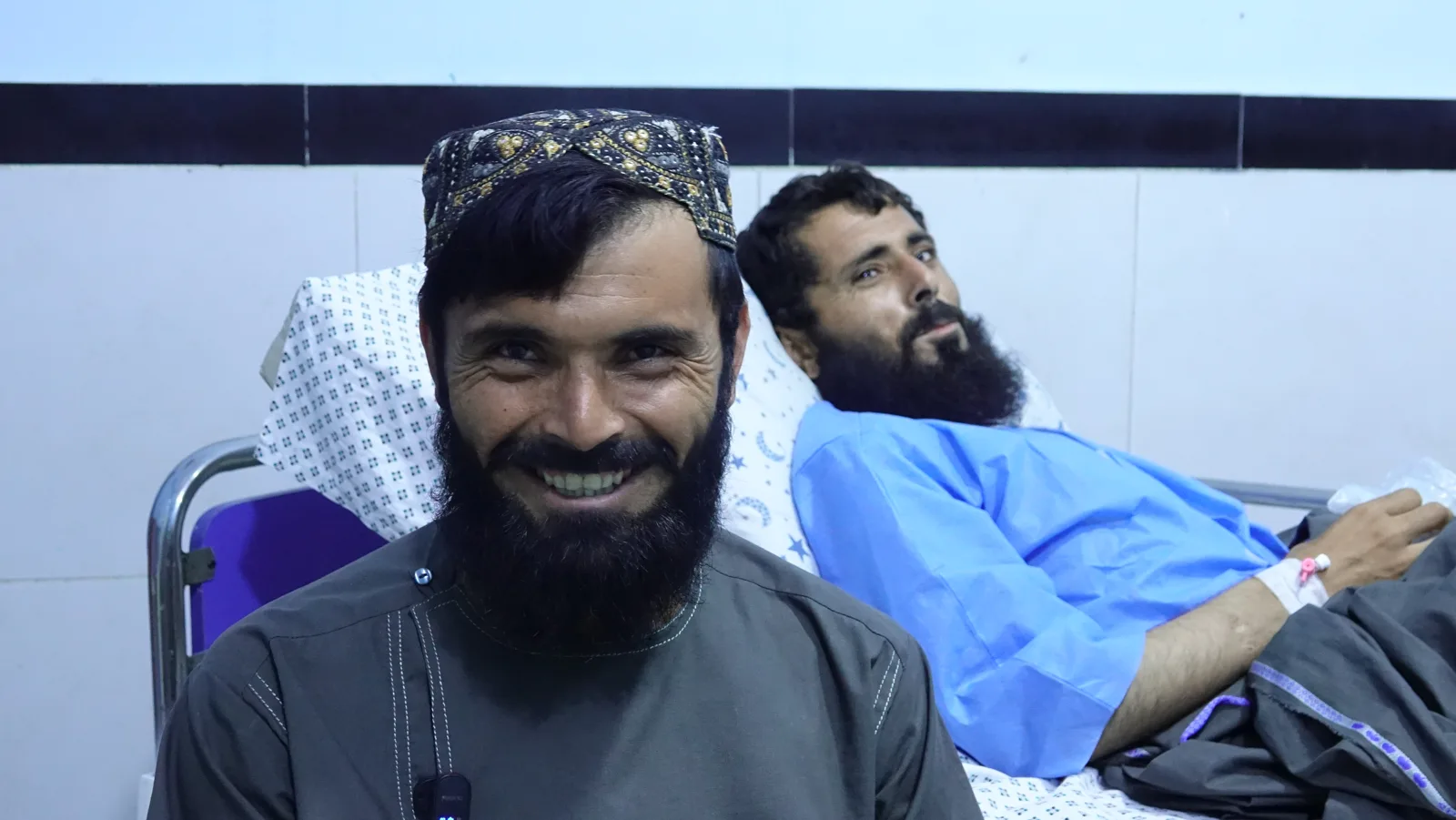
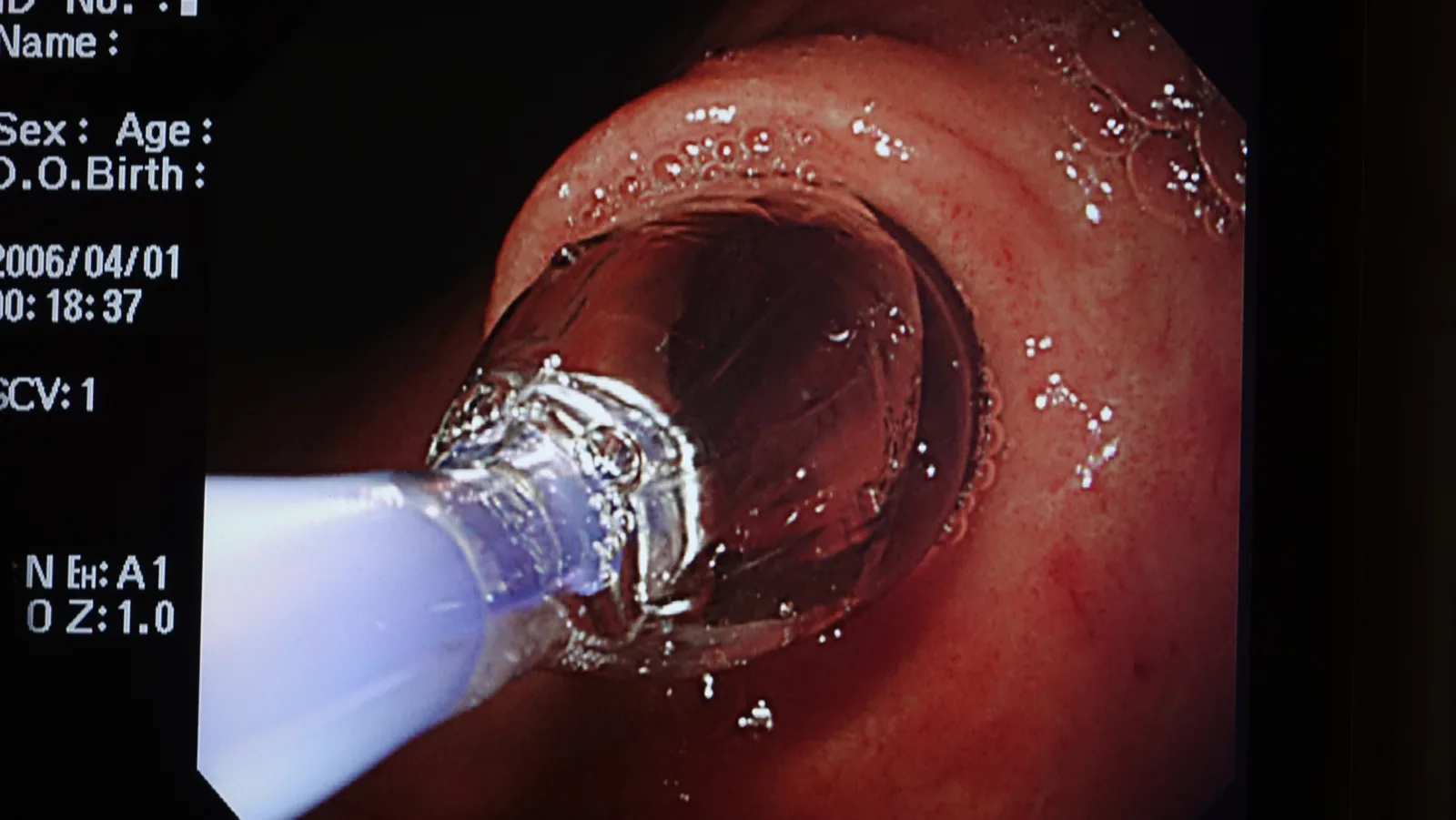
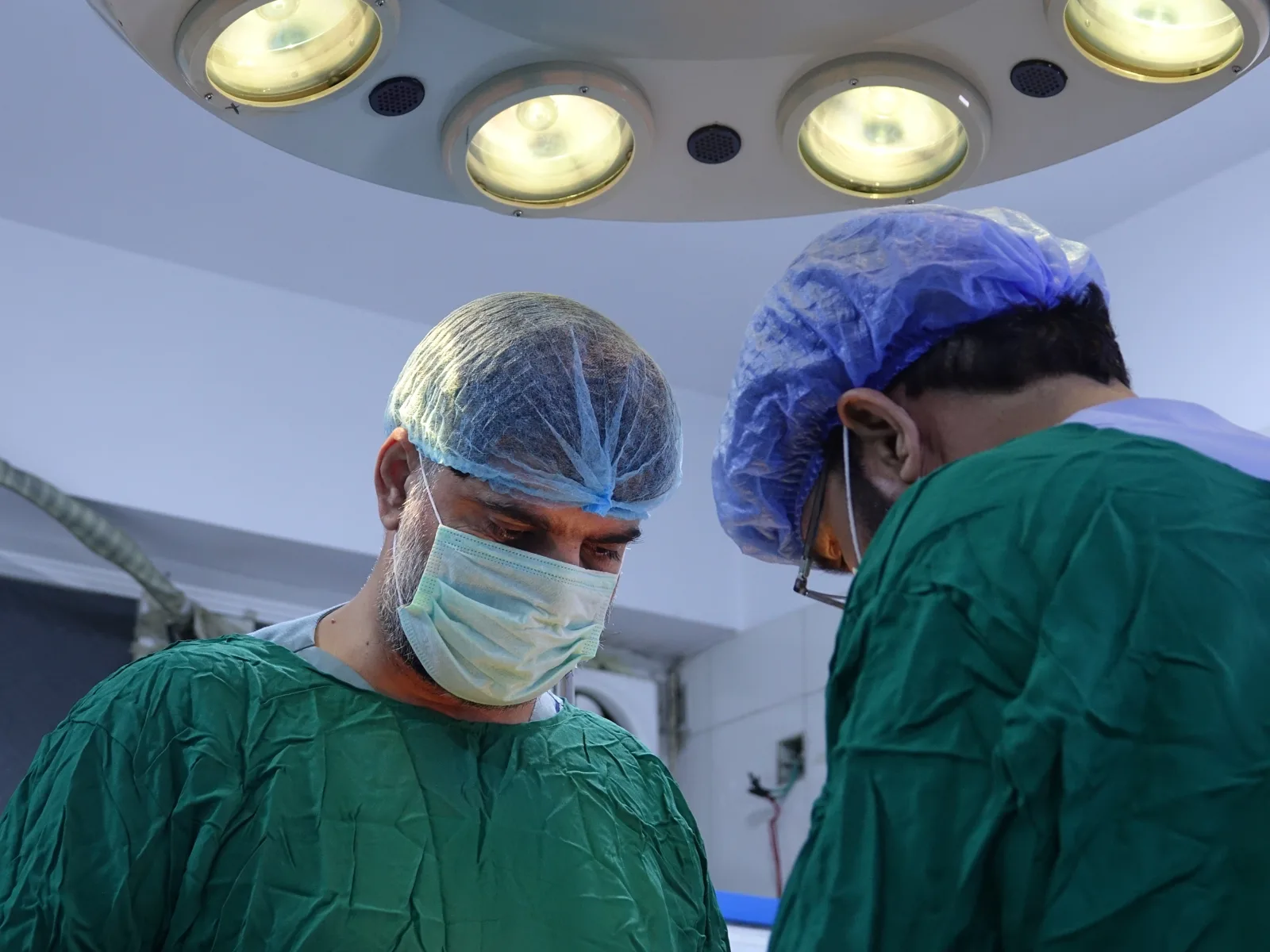
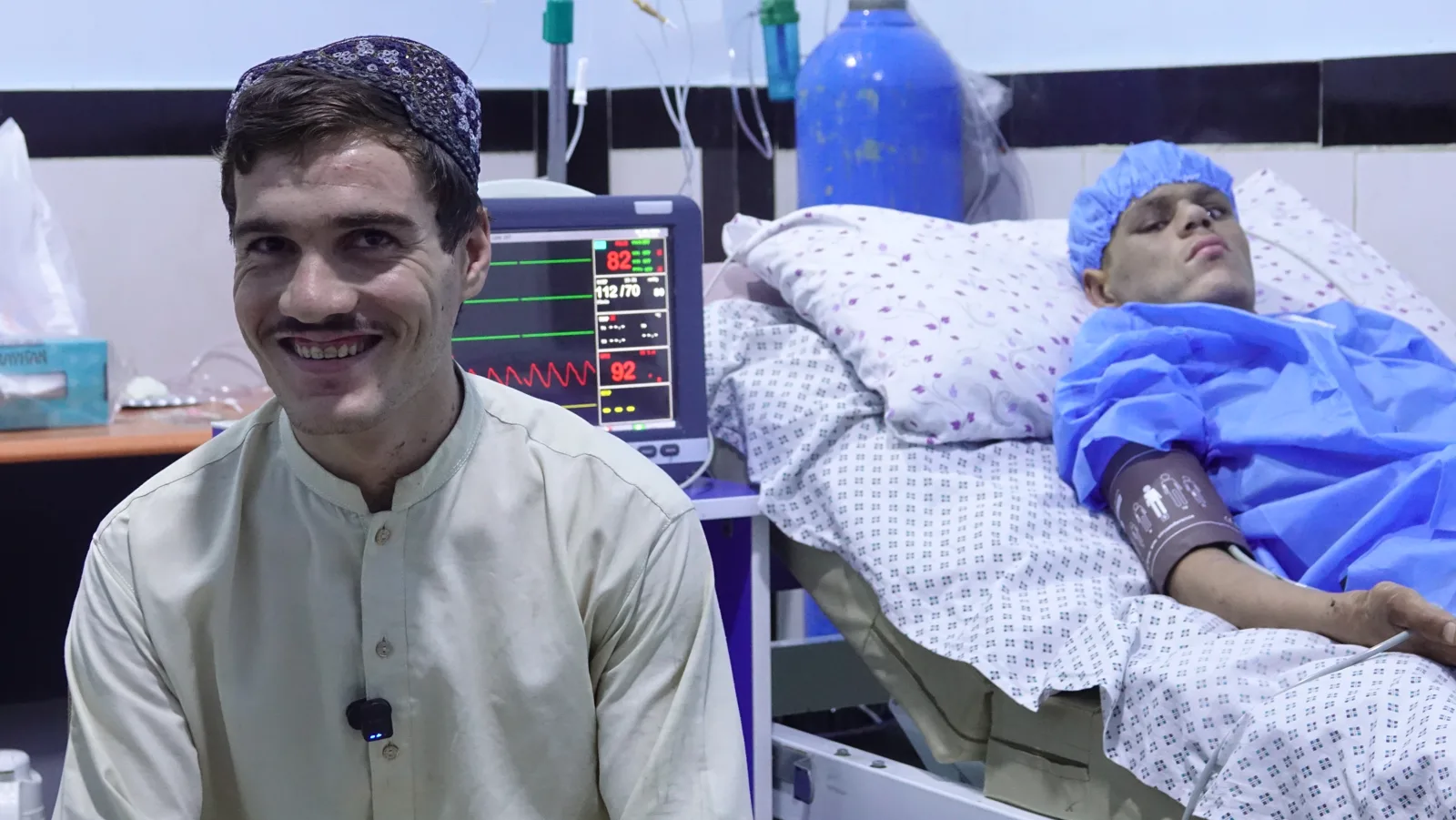
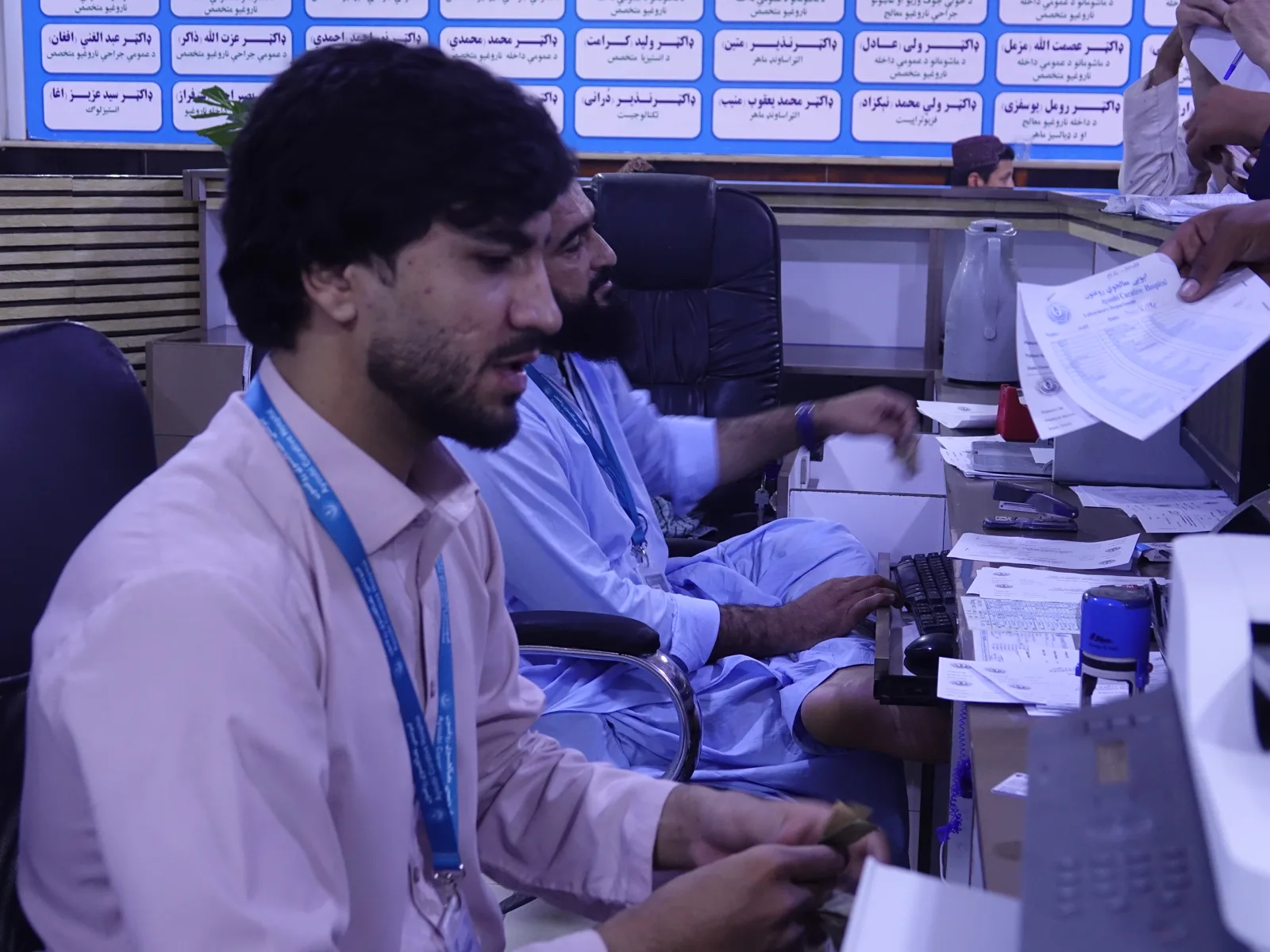
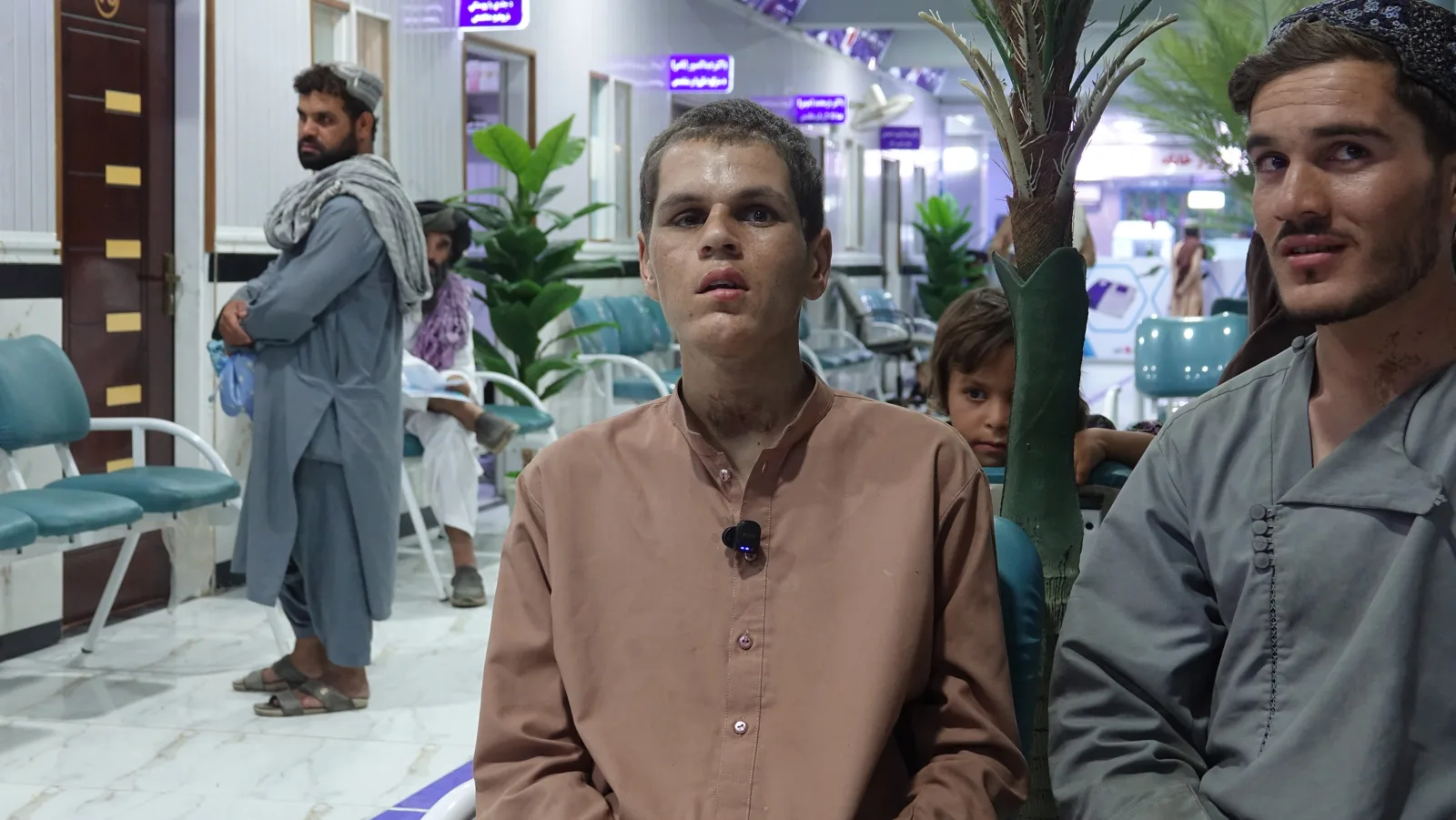
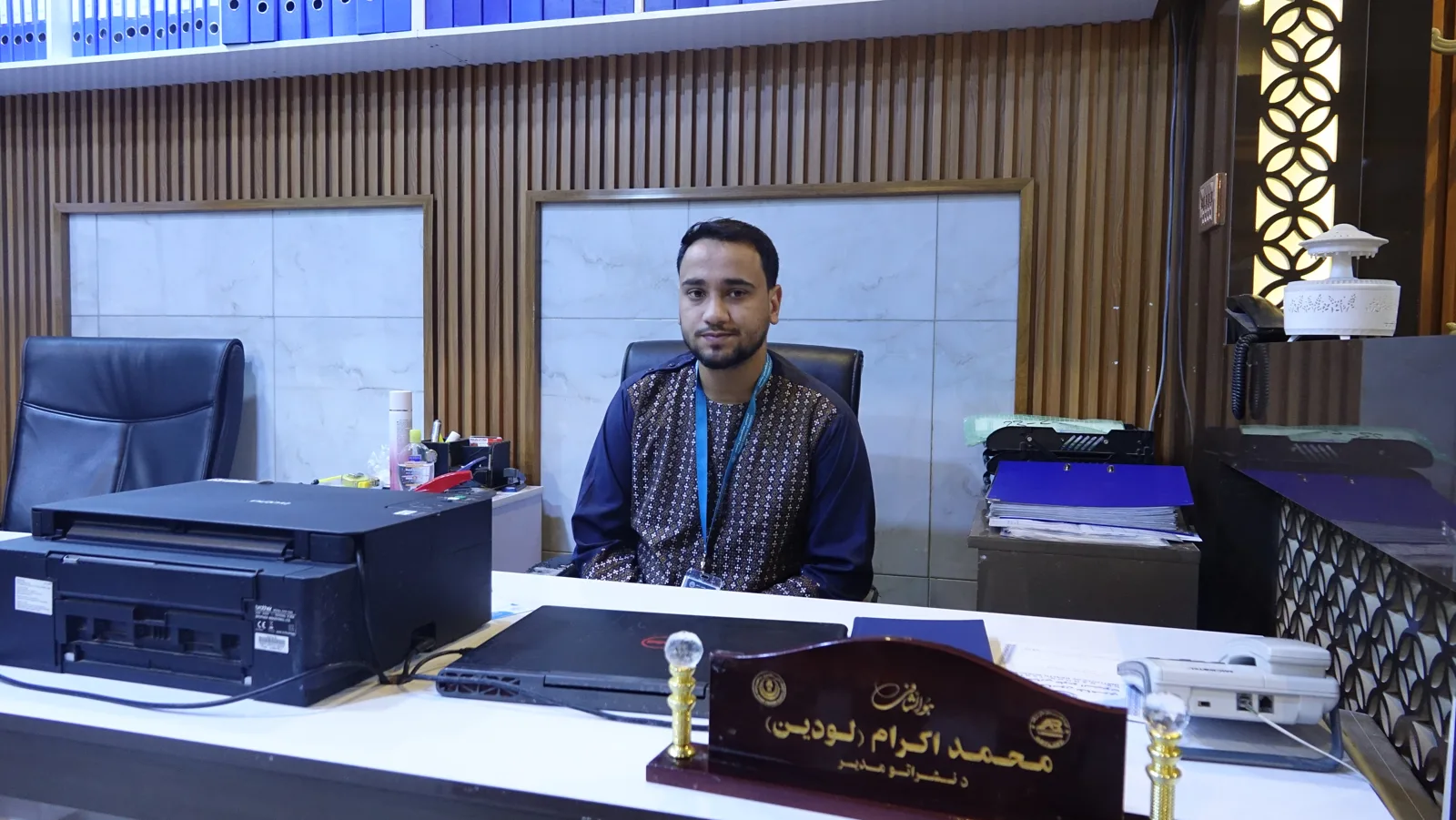
Contact the hospital team to confirm department schedules and plan your visit.
Ayoubi Curative Hospital, Ayoubi Center Deh Khwaja, beside the Red Crescent Clinic Kandahar, Afghanistan
24-hour services described in our hospital profile